How to Spot Hail Damage on an Asphalt Shingle Roof
Hail damage on asphalt shingles shows up as bruised spots, cracked mats, and granule loss. Here is how Cutler Bay homeowners can spot it before it leaks.
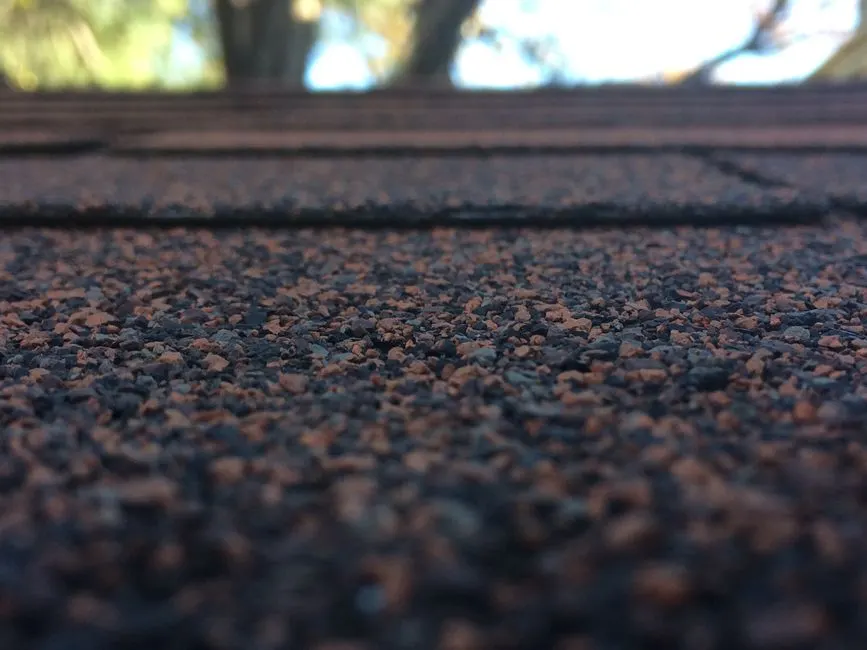
Hail damage on an asphalt shingle roof looks like dark, soft spots where the mat has been bruised, plus cracked shingle edges and bare patches where granules have been knocked away. In Cutler Bay, most hail hits during spring and early summer thunderstorms, and the damage is often concentrated on south- and west-facing slopes. This post walks you through exactly what to look for, how to tell hail damage from normal wear, and what repair typically costs in 2026.
What Hail Damage Looks Like on Asphalt Shingles
Hail damage on asphalt shingles is a physical impact injury that bruises the fiberglass mat under the granules, and it is usually invisible from the ground. When a hailstone hits, it can knock granules loose and leave a soft, dark spot that feels like a bruise on an apple. If the impact is hard enough, the mat cracks underneath, and that crack becomes a leak path within one or two rainy seasons.
On a typical three-tab or architectural shingle, you are looking for:
- Dark, shiny spots about the size of a quarter to a half-dollar, often with a softer feel than the surrounding shingle.
- Granule loss in a random pattern, not just along the edges or in a straight line.
- Cracked or fractured shingle mats that look like a spiderweb or a star shape.
- Dented metal on vents, flashing, gutters, and downspouts - metal dents are the best confirmation that hail actually hit the roof.
- Exposed black asphalt where granules have been completely removed.
One dented vent does not prove a roof is totaled, but a roof with dozens of bruised shingles across multiple slopes usually needs professional attention. If you are not comfortable on a ladder, a roof inspection Cutler Bay is the fastest way to get a straight answer.
How to Spot Hail Damage on Asphalt Shingle Roof in Cutler Bay FL
Spotting hail damage on an asphalt shingle roof in Cutler Bay FL starts with a safe ground-level check, then moves to the attic and the roof surface if you can access it safely. Cutler Bay homes are mostly low-slope and gable roofs with asphalt shingles, and the afternoon storms that roll in off Biscayne Bay often drop hail on the western half of town while the eastern half stays dry. That means two houses on the same block can have very different damage.
Here is the order we recommend:
- Walk the yard. Look for hailstones still on the ground, dented gutters, and shingle granules in the grass or driveway. Granules in the yard after a storm are a red flag.
- Check the attic. Use a flashlight to look for daylight through the roof deck, dark water stains on the rafters, or damp insulation. Hail bruises often leak slowly for months before you see a ceiling stain.
- Inspect the roof surface if it is safe. Look at the south and west slopes first. Run your hand over suspect spots - a hail bruise feels soft and slightly depressed, while a blister from heat feels raised and crunchy.
- Photograph everything. Take wide shots of each slope and close-ups of every bruise, crack, and dented vent. Your insurance adjuster will want both.
If you would rather not climb up, our team handles storm damage roof repair Cutler Bay FL and can document the damage for you. We see this every week in neighborhoods like Old Cutler Hammocks and Saga Bay, where mature trees and open exposure make hail damage easy to miss from the street.
Hail Damage vs Normal Wear on Asphalt Shingle Roof Cutler Bay FL
Hail damage and normal wear look similar from a distance, but they behave differently up close, and telling them apart matters for both repair decisions and insurance claims. Normal wear on a Cutler Bay asphalt shingle roof shows up as uniform granule loss near the edges, curling corners, and a chalky, faded surface after 12 to 18 years of sun. Hail damage is random, clustered, and impact-shaped.
Use this quick comparison:
- Pattern: Wear is even across the roof. Hail is patchy and concentrated on the slopes that faced the storm.
- Feel: Wear feels dry and brittle. Hail bruises feel soft and spongy.
- Metal: Wear does not dent metal. Hail leaves dents on vents, flashing, and gutters.
- Timing: Wear develops over years. Hail damage appears after one specific storm.
If your roof is already 15 years old and showing widespread wear, an insurance claim for hail may be denied because the damage is pre-existing. In that case, a roof replacement Cutler Bay FL is usually the smarter long-term spend than patching a roof that is already at the end of its life.
Where to Look First: A Room-by-Room Check
Hail damage on a roof often shows up inside the house before it shows up on the shingles, so start your inspection indoors and work your way out. Water from a hail bruise usually travels along a rafter before it drips, which means the ceiling stain is rarely directly under the damaged shingle.
Check these spots after any significant hail storm:
- Attic rafters and sheathing: Look for dark streaks, soft wood, or white mineral stains.
- Ceiling corners and light fixtures: Brown rings around recessed lights are a classic slow-leak sign.
- Wall tops and window headers: Water that hits a wall often shows up as bubbling paint or loose drywall tape.
- Insulation: Damp or compressed insulation means water is getting in somewhere above.
If you find any of these, do not wait. A small hail bruise can turn into a full roof leak repair Cutler Bay job within a single rainy season, and the interior damage usually costs more than the roof repair itself.
What to Watch Out For
The biggest mistake Cutler Bay homeowners make after a hail storm is waiting too long to file a claim or letting an out-of-town contractor talk them into a full replacement they do not need. Florida law gives you a limited window to file a hail damage claim, and most policies require you to report the damage promptly after the storm.
Watch out for these traps:
- Storm chasers. Out-of-state crews show up after every hail event, collect a deposit, and disappear. Use a local roofer with a verifiable address.
- Waiving your deductible. It is illegal in Florida for a contractor to offer to waive your deductible. If someone does, walk away.
- Pressure to sign immediately. A legitimate roofer will give you time to review the scope and the price.
- Ignoring metal dents. Dented gutters and vents are the strongest evidence you have. Photograph them before anyone repairs or replaces them.
We are a Roofing contractor based here in South Miami-Dade, and we have seen every version of this. If a crew cannot show you a local address and a state license, keep looking.
Hail Damage Roof Repair Cost Cutler Bay FL
Hail damage roof repair cost in Cutler Bay FL typically runs $450 to $1,800 for a localized repair in 2026, while a full asphalt shingle roof replacement on a 2,000-square-foot home runs $11,500 to $19,000. The wide range comes down to how many shingles are damaged, whether the underlayment is compromised, and how steep the roof is.
Here is what we see most often:
- Minor repair (1-5 bruised shingles): $450-$850, usually done in half a day.
- Moderate repair (one full slope): $900-$1,800, one to two days.
- Full replacement (widespread damage or roof over 15 years): $11,500-$19,000, two to four days.
- Emergency tarping: $300-$600, often credited toward the final repair.
If you want a lower upfront number without cutting corners, ask about affordable roofing Cutler Bay FL. We price the repair based on the actual damage, not a flat storm-chaser rate.
When to Call a Professional
Call a professional when you find more than a handful of bruised shingles, any dented metal on the roof, or any sign of water inside the attic. Those three findings together almost always mean the damage is widespread enough to justify an insurance claim, and a documented inspection is what makes the claim stick.
At Zyntix Forge Works, we walk the roof, photograph every bruise and dent, and give you a written scope the same day. We also meet your adjuster on site so nothing gets missed. If the roof only needs a small repair, that is what we will tell you.
Frequently Asked Questions
How can I tell if my asphalt shingle roof has hail damage in Cutler Bay FL?
Look for dark, soft bruises the size of a quarter, random granule loss, and dented metal on vents or gutters. Check the south and west slopes first, since those face the storms that drop hail in Cutler Bay. If you find more than five bruised shingles, get a professional inspection.
What does hail damage look like on a roof in Cutler Bay, Florida?
It looks like shiny dark spots, cracked shingle mats, and bare black asphalt where granules are gone. Metal vents and flashing will have small round dents. The pattern is random and clustered, not even like normal sun wear.
Does insurance cover hail damage on asphalt shingle roof in Cutler Bay FL?
Yes, most Florida homeowner policies cover hail damage to asphalt shingles, minus your deductible. You must file promptly after the storm and document the damage. Policies vary, so check your declarations page or call your agent before the repair starts.
How much does hail damage roof repair cost in Cutler Bay FL?
In 2026, minor hail repairs run $450 to $850, one-slope repairs run $900 to $1,800, and a full replacement runs $11,500 to $19,000. Emergency tarping is $300 to $600 and is usually credited toward the final repair.
Can hail damage cause a roof leak months later?
Yes. A bruised shingle often cracks slowly, and the first leak may not show up until the next heavy rain season. That is why we recommend an inspection within 30 days of any hail storm, even if the roof looks fine from the ground.
Get Help with Roofing contractor in Cutler Bay
If you suspect hail damage on your asphalt shingle roof, do not wait for the next storm to find out. Zyntix Forge Works inspects, documents, and repairs hail damage for homeowners across Cutler Bay and South Miami-Dade.
Call us at (855) 960-5906 to schedule your roof hail damage inspection.